Forbes | Prove CEO Rodger Desai: “Success of open banking hinges on optimal balance of security and CX”
In a recent article on Forbes, Rodger Desai, Prove Co-Founder & CEO, wrote about the challenges facing Open Banking implementation globally.
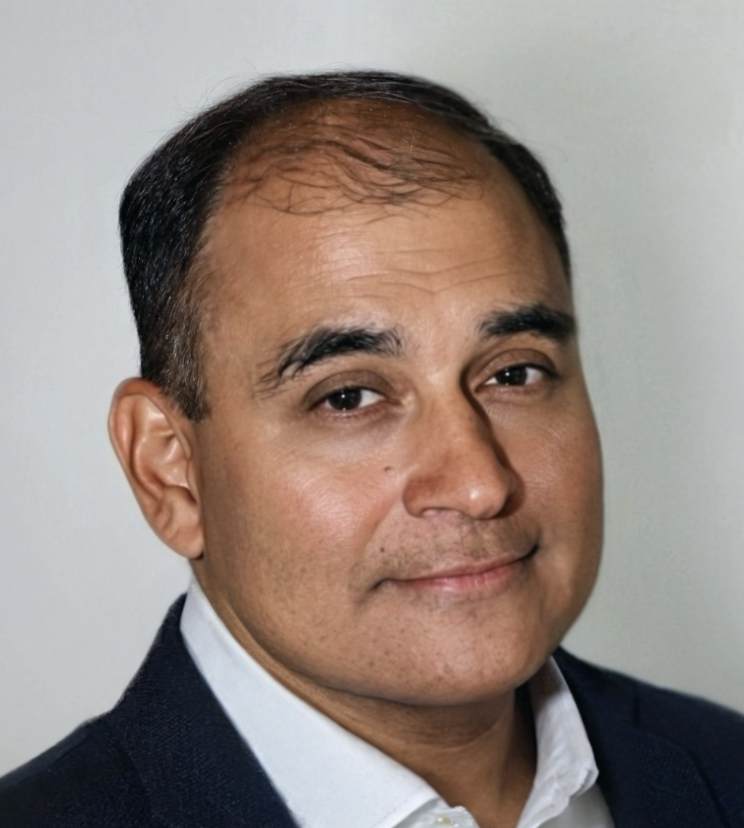

In a recent article on Forbes, Rodger Desai, Prove Co-Founder & CEO, wrote about the challenges facing Open Banking implementation globally as well as how banks, merchants, and accredited service providers can ensure an optimal balance between security and customer experience.
Rodger: “It is beyond debate that consent-based sharing of financial data must be accompanied by strong security and data protection. At the same time, conservative authentication practices introduce friction in the process, thereby hampering customer experience. The potential negative impact of strong customer authentication (SCA) on consumer payments experience has been one of the sticky areas in PSD2 compliance in the EU.”
“Companies participating in the open banking ecosystem must ensure the secure exchange of financial information under all circumstances and yet make the experience frictionless for the consumer.”
Read the full Forbes article by Rodger Desai here.
To learn about Prove’s identity solutions and how to accelerate revenue while mitigating fraud, schedule a demo today.
The modern
way of proving identity
Trusted by 2,000+ leading companies to reduce fraud and improve consumer


Keep reading
 Read the article: Prove Unveils Inaugural Trust 25 Honoring Leaders from Citi, Bank of America, and Uber
Prove has launched the Trust 25, an inaugural recognition program for 25 executives from top firms like Citi and Uber who are advancing digital identity and fraud prevention in the AI era.
 Read the article: Prove Unveils The Trust 25, Recognizing Leaders From Uber, Citi, PayPal, Visa, and 20+ Other Organizations Solving the Hardest Problems in Digital Identity
Prove announces the 2026 Trust 25, honoring 25 leaders from Uber, Citi, PayPal, Visa and more advancing digital identity, fraud prevention and AI-driven trust.
 Read the article: Prove Unveils The Trust 25, Recognizing Leaders From Uber, Citi, PayPal, Visa, and 20+ Other Organizations Solving the Hardest Problems in Digital Identity
Honorees span banking, payments, gaming, and technology, reflecting the breadth of industries now confronting AI-driven fraud, authentication, and the rise of AI agents


